FEATURE: Tinubu and the Osun Test of Democracy
By: Shafihi Abdulrasheed, anipr
Democracy is often tested, not when victory is certain, but when power has every opportunity to influence the outcome, and chooses restraint. As the saying goes, the true measure of a man is what he does when no one can stop him. That was the real lesson from the Osun State governorship election of August 15, 2026. Before the polls, political tension ran high. Campaigns were heated, rival supporters clashed, and many Nigerians feared that the election would become another example of “federal might” deciding the people’s choice.
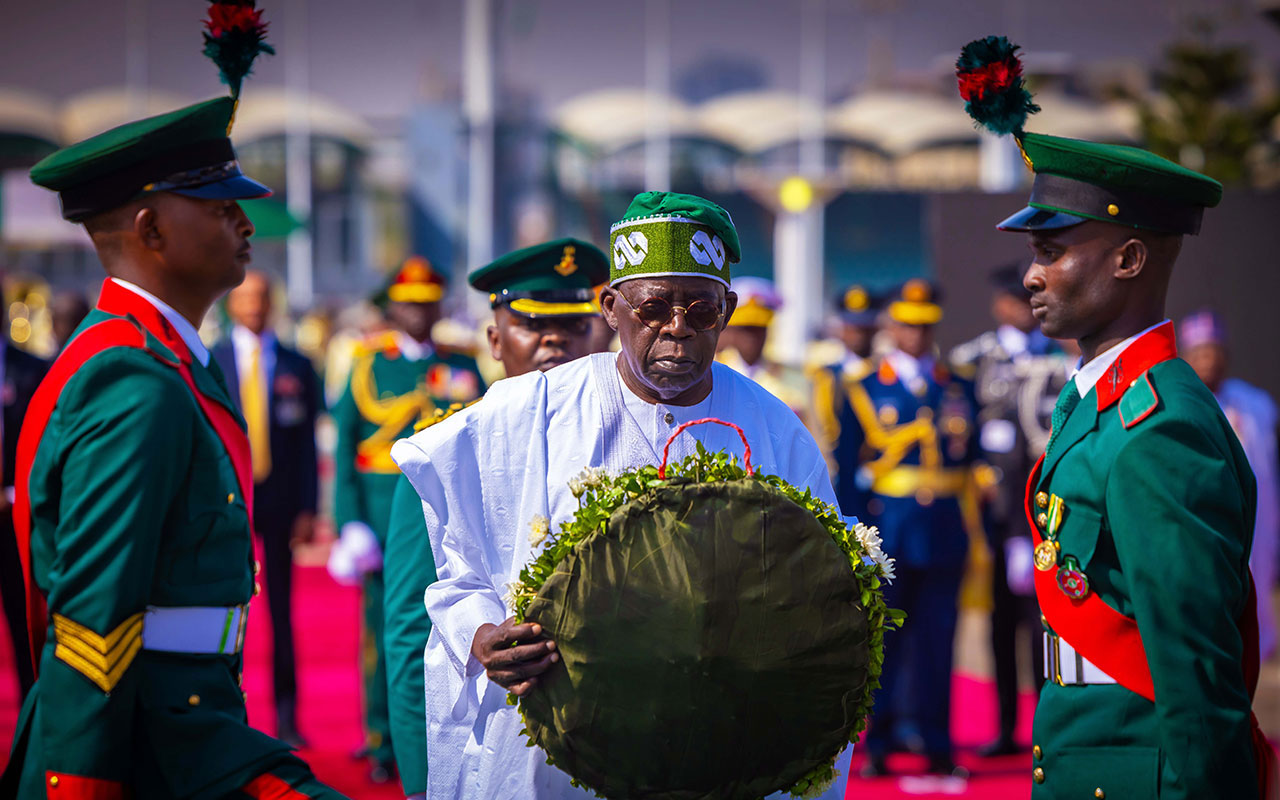
Those fears proved unfounded, wrong, and completely shattered. President Bola Ahmed Tinubu showed that occupying the nation’s highest office also comes with the responsibility to protect democracy, not manipulate it. He demonstrated that he is President of the Federal Republic of Nigeria, not merely the leader of the All Progressives Congress.
The strongest signal came even before election day. When the EFCC secured a court order freezing the Osun State Government’s accounts just days before the election, many quickly linked the action to the Presidency. In politics, every major action of a federal agency is often laid at the President’s doorstep. Yet, within hours, President Tinubu directed that the order be vacated, openly questioning the timing of the action. That decision changed the narrative. It sent a clear message that no institution should create the impression of tilting the playing field at such a sensitive moment.
It was equally significant that the Osun State Governor and the Accord candidate, Nurudeen Ademola Adeleke, publicly confirmed receiving a telephone call from the President. Such an action symbolised a leader more interested in preserving public confidence than scoring political points. When the referee blows the whistle fairly, every team has confidence in the match.
On the eve of the election, the President reinforced that position again. He directed INEC and the security agencies to ensure a peaceful, transparent and credible poll. He urged voters to come out without fear and assured them of their safety before, during and after voting. More importantly, he declared that “the outcome of the Osun Governorship election must reflect the will of the people.” Those words were not left hanging in the air. They were matched by conduct.
INEC carried out its constitutional duty without visible interference from the Presidency, despite widespread assumptions that the APC candidate, Asiwaju Munirudeen Bola Oyebamiji (AMBO), would enjoy undue advantage. The result became another reminder that democracy is strengthened when institutions are allowed to perform their duties without looking over their shoulders.
Again, out of the three recent off-season governorship elections, opposition parties won in Anambra (APGA) and Osun (Accord), while the APC secured victory in Ekiti. Those outcomes hardly support the claim by some opposition elements that Tinubu is drifting Nigeria towards a one-party state. They instead suggest that the ballot, when protected, still speaks louder than political speculation.
The Osun election therefore became more than a contest for the Government House in Osogbo. It became a test of leadership, and President Tinubu passed that test by allowing the process to take precedence over partisan expectations. Democracy is not sustained by fine speeches alone; it survives when leaders respect the rules even when the outcome may not favour their party.
One last thing: Governor Ademola Adeleke in his address after he was announced re-elected, openly appreciated President Bola Ahmed Tinubu and he reaffirmed his earlier endorsement for his second term presidential bid. No doubt, the President’s conduct in the Osun election stands as a reminder that credibility remains the strongest legacy any leader can leave behind. May God continue to guide President Tinubu as he works for a stronger, more united and democratic Nigeria.
Shafihi Abdulrasheed is a PR practitioner. He writes from Abuja and can be reached via sharvee2@gmail.com | +2348109941929